When temperatures drop, maintaining our healthy winter routines becomes a real challenge. At this time of year, the body asks for more rest, more calorie-dense meals, and an extra dose of motivation to stay active.
However, that is precisely when it is most important to take care of your diet, rest, and hydration to strengthen your defences, maintain energy, and keep your mood up.
With small adjustments to your daily habits, you can support your immune system and face the cold with vitality and balance.
Functional nutrition: strengthen your defences from your plate
Autumn and winter invite us to enjoy warm, nourishing foods. During these months, choosing functional nutrition makes a real difference. It means selecting foods that, beyond nourishing you, actively help maintain a strong immune system and optimal daily energy.
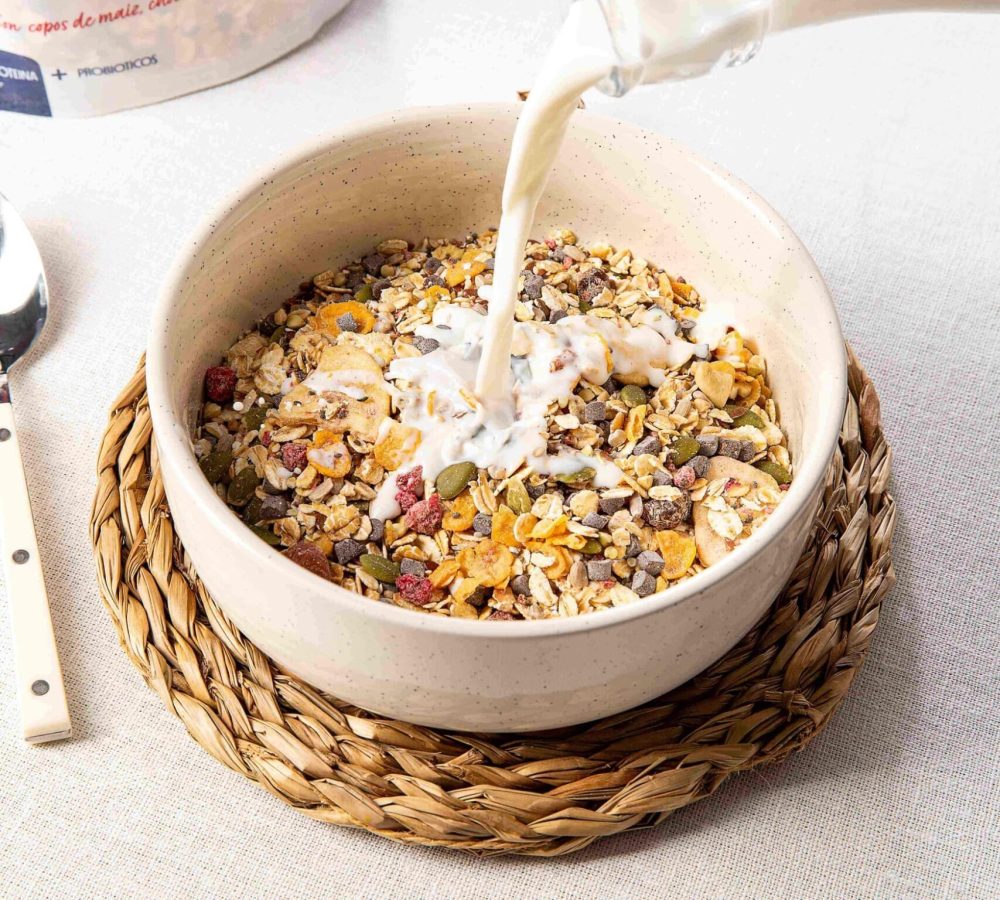
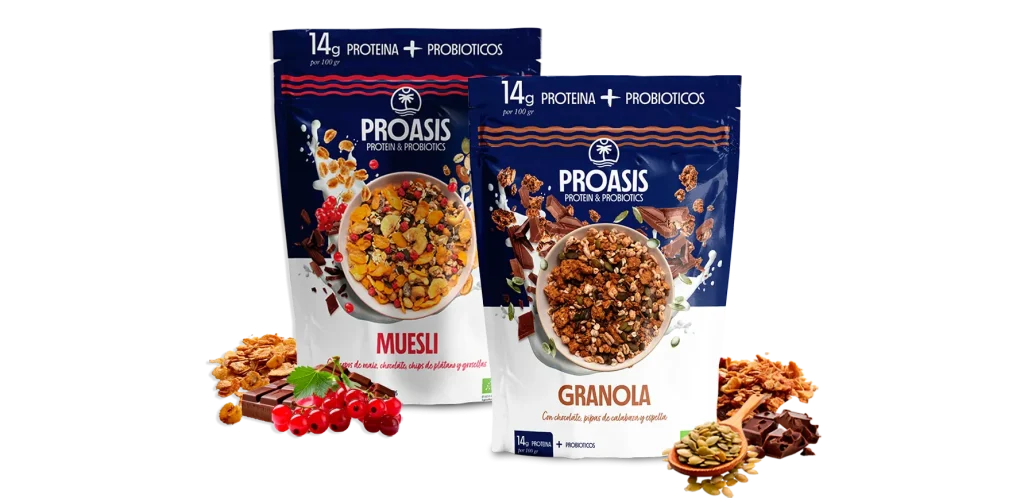
So, start your day with balanced breakfasts rich in fibre, protein, and natural probiotics. A bowl of whole cereals, natural yogurt, and seasonal fruit is a simple and highly effective combination. You can also try granola or muesli for sustained energy and lighter digestion.
Did you know that these breakfasts help keep blood glucose levels steady, increase satiety, and support the gut microbiota—an essential factor in keeping your defences active?
In any case, natural probiotics found in yogurt, kefir, or sauerkraut help maintain a healthy balance of gut flora, which is a key barrier against infections. Pair them with vitamin C-rich fruits such as mandarins, kiwi, or oranges, and add healthy fats from nuts or avocado.
For main meals, include sources of high-quality protein—such as legumes, eggs, oily fish, or tofu—to support muscle recovery with protein and probiotics. Combine them with seasonal vegetables like pumpkin, sweet potato, or spinach. These combinations are not only nutritious; they are also comforting and perfect for keeping your body warm and energised.
Also, don’t forget the power of spices. Turmeric, ginger, and cinnamon add flavour while providing antioxidant and anti-inflammatory properties that help strengthen the body’s natural defences.
Healthy winter routines: rest, movement, and autumn wellbeing
Autumn wellbeing begins with something as simple as listening to your body. Shorter days and reduced sunlight can affect mood and sleep quality. As a result, maintaining a restorative sleep routine is essential.
Set regular schedules for going to bed and waking up—even on weekends. Sleeping seven to eight hours a night helps keep hormones balanced, improves focus, and strengthens your immune defences.
In parallel, avoid screens at least half an hour before bed and create a relaxing ritual: reading, meditating, or enjoying a warm herbal tea can make a big difference.
Physical exercise should also be part of your healthy winter routines. Movement stimulates circulation, helps maintain body temperature, and releases endorphins—the wellbeing hormones. If the cold holds you back, choose workouts you can do at home. How about yoga, Pilates, or bodyweight strength routines? If you prefer going outside, dress in layers and do a proper warm-up first.
Beyond exercise, make time for activities that bring you calm and satisfaction. Cooking, listening to music, or sharing a comforting meal with family or friends helps reduce stress and improves mood. Emotional balance is also part of physical wellbeing.
Hydration and sustainable energy during the cold months
Even though thirst tends to decrease in winter, hydration remains essential. Drinking water, herbal teas, or light broths keeps mucous membranes hydrated and protects the respiratory tract, reducing the risk of infections.
You can also hydrate through food. Citrus fruits, apples, and pears provide water and vitamins that support the immune system. Try functional drinks like warm water with lemon and ginger, or herbal teas with honey: they’re comforting, antioxidant-rich, and help maintain digestive balance.
If you want steady energy throughout the day, prioritise slow-absorbing complex carbohydrates such as oats, brown rice, or muesli. These foods release energy gradually, helping prevent blood sugar spikes and dips and reducing mental fatigue. Want satisfying, balanced meals? Pair them with lean protein and healthy fats.
One small habit that makes a big difference is not skipping breakfast. This first meal activates metabolism and provides the energy base your body needs to function properly—especially when the cold demands higher calorie expenditure.
Small gestures, big results
Cold months don’t have to mean tiredness or low spirits. With functional nutrition, restorative sleep, and mindful hydration, you can keep your energy high and strengthen your defences naturally. Including natural probiotics, quality protein, and comforting meals in your daily diet will help you take care of both your body and your mind.
Adjusting your schedule, moving consistently, and respecting your rest time are other keys to enjoying a healthy, balanced winter. In the end, healthy winter routines stop feeling like an obligation and become a gift that helps you face each day with strength, wellbeing, and serenity.
Research sources
- https://www.proasis.com/
- https://clinicaelvia.es/story/1665-habitos-saludables-en-invierno
- https://maylapharma.com/habitos-combatir-frio/
- https://rocioportalnutricion.com/comida-saludables-de-invierno/
Image
- Source: Pixabay
- Author: Dicaleto
- Link: https://pixabay.com/photos/mother-manhattan-usa-love-mom-2774225/