Functional foods have proven effective in a very specific area of physical exercise: recovery, which is essential to improve athletic performance. Proper nutrition not only provides the necessary energy; it also influences the body’s ability to regenerate.
In this regard, proteins and probiotics are excellent foods for muscle recovery. In addition, there are specific strategies that speed up this process between training sessions, enabling athletes to perform more and better.
The fundamental role of nutrition in sports performance
Nutrition provides the body with the nutrients it needs to function optimally before, during, and after physical activity. Eating a balanced diet adapted to the demands of exercise helps maintain stable energy levels, supports muscle recovery, and improves endurance.
Thus, while carbohydrates are a primary source of fuel for muscles, proteins are essential for muscle repair and growth. Likewise, probiotic intake and regeneration go hand in hand, while vitamins and minerals play key roles in nutrient metabolism and injury prevention.
Experts agree: functional nutrition for athletes is decisive. Both professional and amateur athletes should pay attention to the quality and quantity of the foods they consume to optimize performance and reach their training goals.
The importance of recovery after physical activity
After exercise, recovery is essential to perform again and prevent injuries. As you know, during exercise muscles become fatigued and suffer microtears that need time to repair and strengthen. Factors such as hydration, proper nutrition, and rest become vital at this stage.
In fact, sleep plays a key role in recovery, as during rest the body releases growth hormones that promote muscle regeneration. Likewise, eating foods rich in proteins and probiotics, as well as carbohydrates, helps replenish energy stores and rebuild damaged muscle tissue.
Finally, incorporating active recovery techniques, such as gentle stretching or massage sessions, also tends to speed up this process.
Keys and benefits of functional foods: proteins and probiotics for athletes
These two types of functional foods have become essential for all kinds of athletes:
- Post-workout proteins boost muscle repair and growth, which supports recovery after intense exercise. It is advisable to take them both before and after activity—to provide energy and prepare the muscles in the first case, and to repair them and maximize recovery in the second. What’s ideal for the latter? Taking them between thirty and sixty seconds after finishing your workout. In any case, this protein intake should be aligned with individual goals, and protein supplements should be combined with a diet rich in animal- and plant-based proteins. Upon waking, before bedtime, between meals, and throughout the day are other appropriate options. Given so many possibilities, supervision by a nutritionist is often an excellent idea.
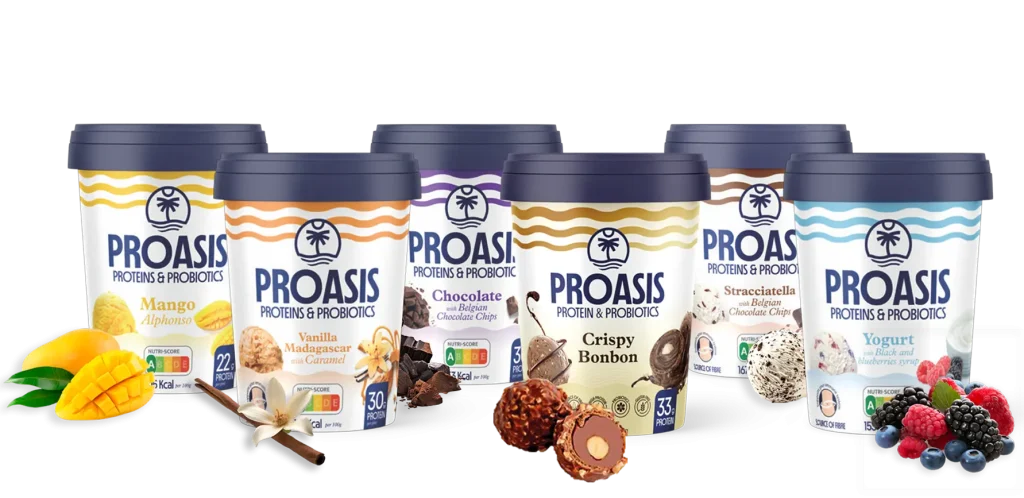
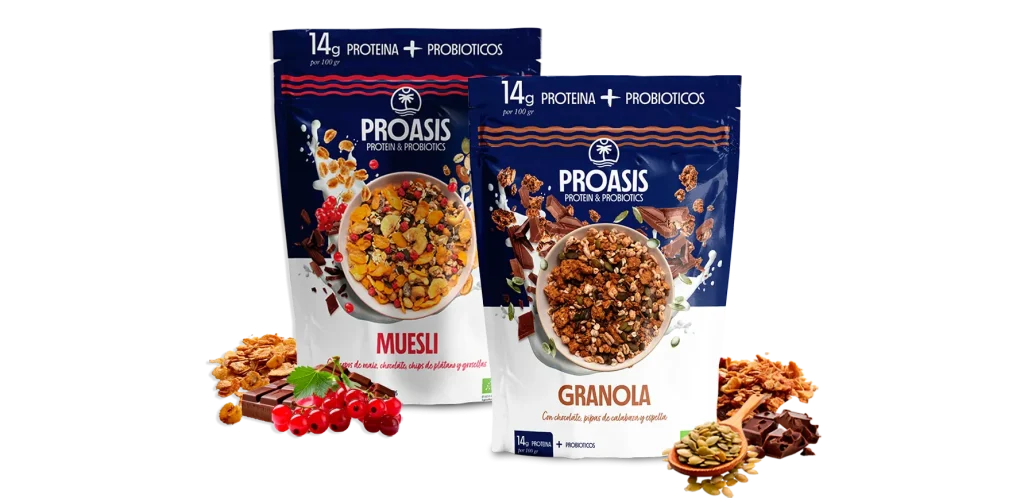
- Probiotics and regeneration also go hand in hand. In fact, they help maintain a healthy balance in the gut microbiota, improve digestion, and strengthen the immune system. It is appropriate to take them both before and after meals and also prior to training—preferably on an empty stomach. Improved digestion, more efficient absorption of vitamins, minerals, and nutrients, and an enhanced immune response are their main contributions. Probiotic ice creams and Proasis cereals have the advantage of encouraging agile, appealing, and highly effective consumption. If you haven’t tried them yet, they’ll win you over as soon as you do.
Tips to optimize recovery with these specific foods
In short, the main benefits of incorporating these foods into an athlete’s daily diet are threefold:
- Better and longer-lasting muscle recovery.
- Greater physical endurance.
- Lower risk of diseases related to the digestive system.
Additionally, reduced fatigue, better energy balance, weight regulation, a healthy metabolism, stronger bones, and improved body composition are other noteworthy benefits that come from consuming functional foods.
To optimize recovery with specific foods, it is important to follow these recommendations:
- Prioritize high-quality proteins such as those found in lean meats, eggs, or legumes.
- Include antioxidant-rich foods such as colorful fruits and vegetables to reduce inflammation and oxidative stress caused by training.
- Low-fat dairy products are an excellent source of calcium and protein to strengthen bones and muscles.
- It is vital to boost hydration by opting for isotonic drinks or water with electrolytes to replenish nutrients lost during physical activity.
- Introducing probiotic products regularly into the diet is another highly effective strategy. Proasis granola and muesli are fantastic options to consolidate this eating habit.
As complements to your diet, note these three points to also speed up recovery processes between exercise sessions:
- Adequate rest.
- Use relaxation techniques such as yoga or meditation.
- Use compression therapies such as compression socks or sleeves to optimize blood circulation and reduce muscle inflammation.
Ultimately, if you want to recover sooner and better between your sports sessions, functional foods should not be lacking in your diet. Proteins and probiotics, above all, help you boost your performance and regenerate your body in better condition for future efforts.
Research sources
- https://www.proasis.com/
- https://ndlprohealth.com/blogs/consejos/guia-completa-para-tomar-proteina?srsltid=AfmBOoqxNsNKXxTLveDfFedsABdZn2UqrYmNh4C75gyjWmIdcvrQhtxm
- https://www.marca.com/bienestar/fitness/2023/06/01/64732ebf22601d28548b45b0.html
- https://www.powergym.com/blog/probioticos-deporte-mantener-rendimiento.html
- https://kronosalud.es/blog/beneficios-probioticos-para-deportistas/?srsltid=AfmBOorpZg-SKox1pojjuxlfTLSxRPJjLdQ1wnOkf2wxcvpmqYB0fOaB
Image
- Source: Pixabay
- Author: Sammy-Sander
- Link: https://pixabay.com/photos/man-training-lazy-tired-fitness-5530768/